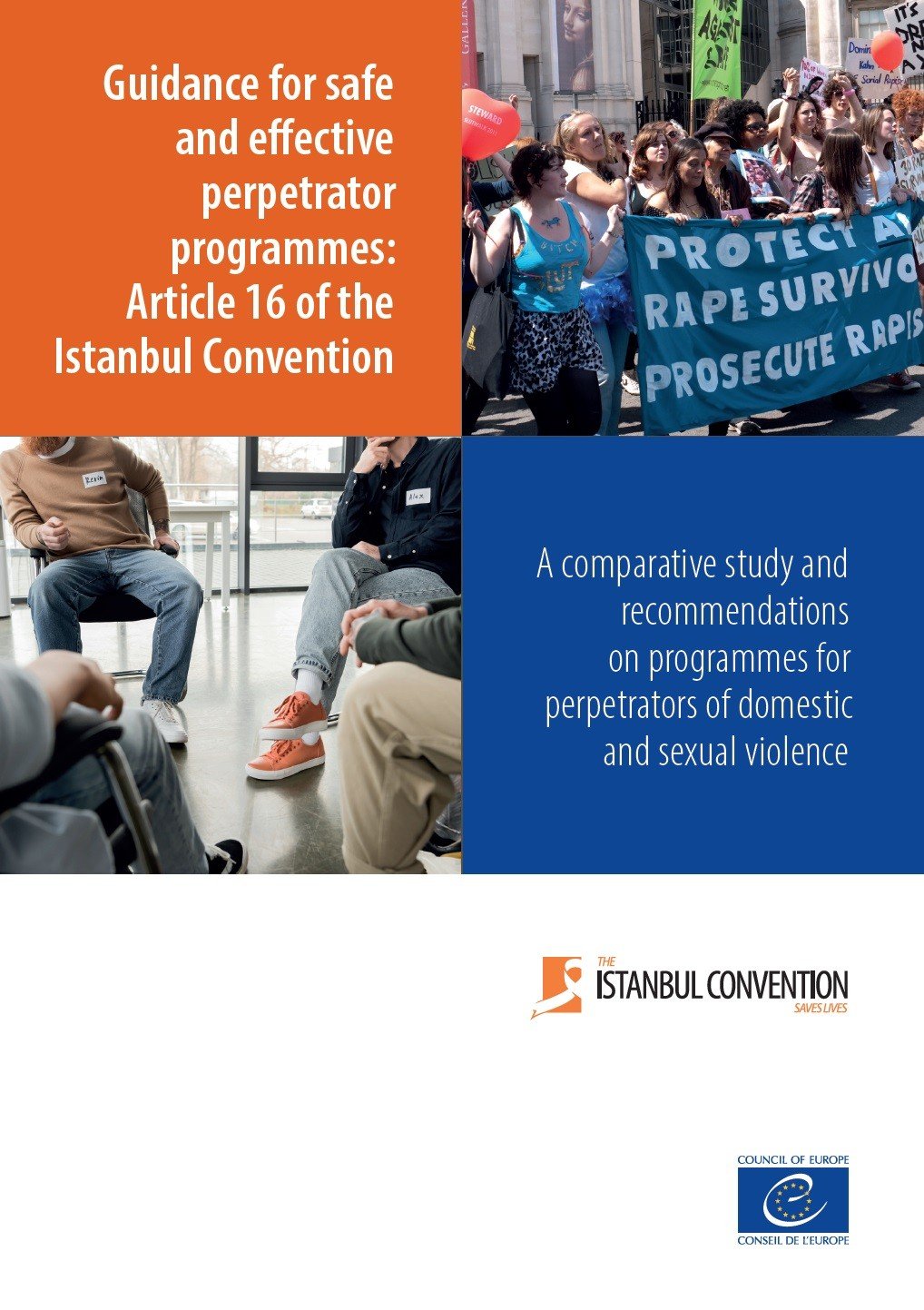
A comparative study and recommendations on programmes for perpetrators of domestic and sexual violence
Based on a mapping of existing programmes for perpetrators of domestic and sexual violence in Council of Europe member states, this study provides essential guidance and recommendations for the design and implementation of such programmes. This guidance is based on quality standards drawn from the provisions of the Council of Europe Convention on preventing and combating violence against women and domestic violence (also known as the Istanbul Convention).
The Istanbul Convention is the first treaty to recognise the fundamental contribution which preventive intervention and treatment programmes make in preventing sexual and domestic violence. Article 16 requires parties to the convention to establish such programmes, where they do not exist, or support any existing programmes for perpetrators of domestic violence, sexual assault and rape - with the safety of victims as the primary focus. It sets important standards for such work, including co operation with specialist support services for victims, intervention by skilled and trained facilitators and a focus on perpetrator responsibility and attitudes.
ACKNOWLEDGEMENTS INTRODUCTION METHODOLOGY
Primary research
Secondary research
PART 1 – PROGRAMMES FOR PERPETRATORS OF DOMESTIC VIOLENCE
1.1. Legal and policy framework for programmes for perpetrators of domestic violence
1.2. Providers of programmes for perpetrators of domestic violence
1.3. Safety and well-being of victims, particularly women and children
1.4. Designing programmes for perpetrators of domestic violence
1.5. Checklist for programmes for perpetrators of domestic violence
PART 2 – PROGRAMMES FOR PERPETRATORS OF SEXUAL VIOLENCE
2.1. Programmes for perpetrators of sexual violence against adults, especially against women
2.2. Programmes for perpetrators of sexual violence against children
2.3. Programmes for children and young people who display harmful sexual behaviour
2.4. Checklists for programmes for perpetrators of sexual violence
CONCLUSION REFERENCES